World Brain Day 2026: Brain Health – Access for All
“Every thought, every memory, every dream, and every decision begins with one remarkable organ……your brain.”
Have you ever walked into a room and forgotten why you went there?
Struggled to concentrate after a poor night’s sleep? Or felt mentally drained after a stressful week?
These moments may seem ordinary, but they remind us of something we often take for granted: our brain is at the center of everything we do.
From learning our first words as children to celebrating life’s biggest milestones, our brains quietly work around the clock, processing information, regulating emotions, controlling movement, storing memories, and helping us navigate the world.
Yet despite its importance, brain health is often overlooked until something goes wrong.
This World Brain Day, we’re reminded that protecting our brains isn’t just a personal responsibility. It’s a global priority.
The 2026 theme, “Brain Health: Access for All,” challenges us to rethink how neurological care is delivered and asks an important question:
Should quality brain healthcare depend on where you live, how much you earn, or whether you can access the medication and specialists you need?
The answer is simple: No.
What is World Brain Day?
Observed every year on July 22, World Brain Day is led by the World Federation of Neurology (WFN) to raise awareness about brain health and the growing burden of neurological disorders worldwide.
Each year, the campaign focuses on a different aspect of neurological health. This year’s theme, “Brain Health: Access for All,” shines a spotlight on a reality that millions of people face every day: access to quality neurological care is still unequal.
For many people, getting diagnosed, seeing a neurologist, receiving rehabilitation, or obtaining the right medications remains a significant challenge.
World Brain Day reminds governments, healthcare professionals, organizations, and individuals that brain health should not be a privilege. It should be accessible to everyone.
Why Brain Health Deserves More Attention
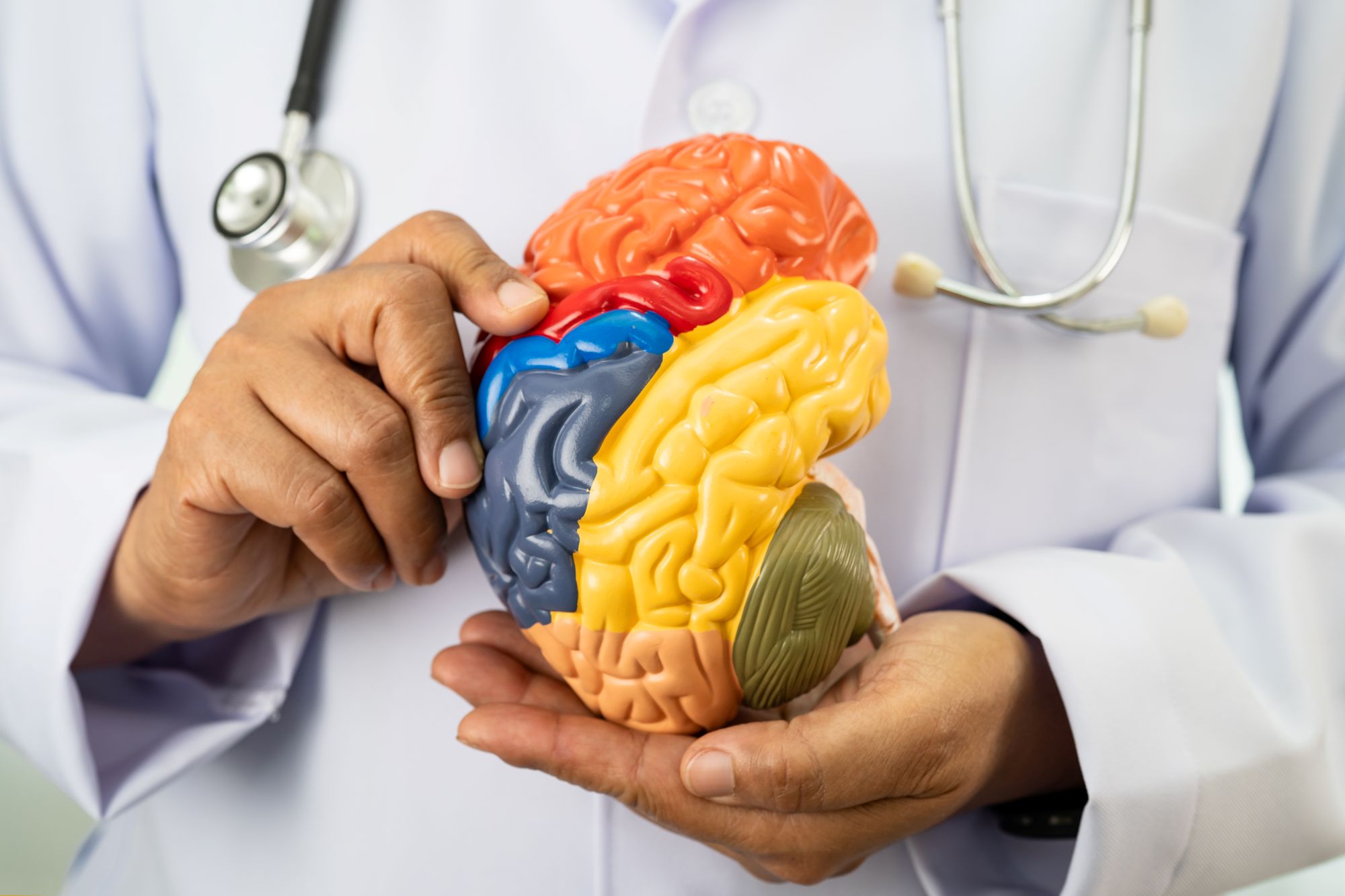
Your brain weighs only about 1.4 kilograms, yet it controls virtually every function in your body.
It regulates your heartbeat without you thinking about it.
It allows you to laugh, cry, remember birthdays, recognize faces, solve problems, speak, learn new skills, and even dream while you sleep.
When the brain functions well, we rarely think about it.
But when something affects it, every aspect of life can change.
Brain health influences:
Memory and learning
Movement and coordination
Speech and communication
Emotional wellbeing
Decision-making
Sleep
Mental health
Productivity
Independence and quality of life
Protecting your brain isn’t only about preventing disease later in life.
It’s about preserving the ability to live, work, connect with others, and enjoy life at every age.
Brain Health Isn’t Just About Older Adults
Many people associate brain health with ageing or dementia.
In reality, brain health begins before birth and continues throughout every stage of life.
Children need healthy brain development for learning.
Teenagers rely on healthy brains for emotional regulation and academic success.
Adults depend on optimal brain function for work, relationships, and decision-making.
Older adults benefit from protecting brain function to maintain independence and quality of life.
Brain health is a lifelong journey, not something we begin thinking about after retirement.
The Growing Burden of Neurological Disorders
According to global health experts, neurological disorders are now among the leading causes of disability worldwide.
These conditions include:
Stroke
Epilepsy
Parkinson’s disease
Alzheimer’s disease and other dementias
Migraine
Multiple sclerosis
Brain infections
Traumatic brain injuries
Millions of people live with these conditions every day.
The encouraging news is that many neurological disorders can be prevented, treated, or managed effectively, especially when people receive early diagnosis, appropriate treatment, and ongoing support.
That brings us back to this year’s theme: Access matters.
What Does “Brain Health: Access for All” Really Mean?
Access goes far beyond having a hospital nearby.
True access means people can:
Receive accurate health information.
Recognize warning signs early.
Consult qualified healthcare professionals.
Obtain timely diagnosis.
Afford treatment.
Access genuine medications.
Receive rehabilitation and long-term support.
Continue treatment without interruption.
Unfortunately, many people still encounter barriers such as cost, distance, medicine shortages, stigma, or a lack of specialists.
Closing these gaps can significantly improve health outcomes and quality of life.
What Neurology Experts Want Everyone to Know on World Brain Day
Neurologists consistently emphasize that brain health is influenced by the choices we make every day.
While some risk factors cannot be changed, many can.
1. Control Your Blood Pressure
High blood pressure is one of the biggest risk factors for stroke and cognitive decline.
Routine health checks and proper treatment can make a meaningful difference.
2. Stay Physically Active
Exercise increases blood flow to the brain and supports memory, mood, and cognitive function.
Even regular brisk walking can have lasting benefits.
3. Eat a Brain-Friendly Diet
A balanced diet rich in fruits, vegetables, whole grains, healthy fats, fish, nuts, and legumes provides nutrients that support brain function.
Limiting excessive salt, sugar, and ultra-processed foods can also help reduce the risk of chronic diseases that affect the brain.
4. Prioritize Sleep
Sleep isn’t a luxury.
It’s when the brain consolidates memories, repairs itself, and clears waste products that build up during the day.
Adults should aim for 7–9 hours of quality sleep each night.
5. Challenge Your Mind
Learning new skills, reading, solving puzzles, playing strategy games, or even learning a new language helps keep the brain active.
Mental stimulation contributes to cognitive resilience over time.
6. Manage Stress
Chronic stress affects memory, concentration, and emotional wellbeing.
Healthy coping strategies such as mindfulness, exercise, social support, and relaxation techniques can protect long-term brain health.
7. Don’t Ignore Warning Signs
Seek medical attention immediately if you notice symptoms such as:
Sudden weakness or numbness
Difficulty speaking
Severe, unusual headaches
Loss of balance
Sudden vision changes
Seizures
Persistent confusion
Early intervention can save lives and reduce long-term complications.
Why Consistent Treatment Matters
For many neurological conditions, treatment doesn’t end after diagnosis.
Whether someone is managing epilepsy, recovering from a stroke, living with Parkinson’s disease, or controlling high blood pressure to reduce stroke risk, consistency is essential.
Missing doses, delaying prescription refills, or using medicines from unreliable sources can interrupt treatment and increase health risks.
Access to the right medication, at the right time, from trusted providers, plays a vital role in protecting brain health.
Making Access Easier with myMedicines
Access is at the heart of this year’s World Brain Day theme, and it’s also at the heart of what myMedicines is working to improve.
Finding genuine medications shouldn’t require visiting multiple pharmacies or worrying about availability.
Through the myMedicines app, individuals can conveniently order prescribed medications from trusted pharmacy partners and have them delivered to their doorstep.
The platform is designed to make medication access simpler, more reliable, and more convenient, helping people stay consistent with their treatment plans.
Whether you’re managing a chronic condition or simply need a prescription refill, timely access to authentic medicines can support better health outcomes.
In Conclusion
Our brains are involved in almost everything we do, yet brain health is something many of us only think about when there is a problem. This World Brain Day, take a moment to think about your brain health. Eat well. Stay active. Get enough sleep. Manage stress. Keep your mind active. And don’t ignore unusual symptoms.
Most importantly, access to quality brain healthcare should not depend on where someone lives or how much they earn.
Brain Health: Access for All is a reminder that everyone deserves access to the information, care, treatment, and medicines they need to protect their brain health.
Download the myMedicines app today on Google Play Store or Apple App Store and enjoy convenient access to genuine medications from trusted pharmacy partners.
https://mymedicines.africa/download-app