To most people, team building is associated with fun activities, games, retreats, shared meals and time away from the office. While these activities can help people connect, true team building goes far beyond having fun together.
As HR professionals and leaders, we need to ask:
"Are we truly building teams, or are we simply bringing people together and expecting them to work as one?"
A team is not built in a day. It is built through everyday interactions, shared experiences, difficult conversations, accountability, trust and a common sense of purpose.
This is why team building in the workplace deserves a broader conversation. What actually makes a team effective, and what does it take to build one that can communicate, collaborate and deliver results?
Myth 1: Team Building Means Everyone Must Like Each Other
Reality: Teams do not need to be best friends to be effective.
A healthy team is not one where everyone agrees. It is one where people can disagree respectfully, challenge ideas, give honest feedback and remain committed to a common goal.
People bring different personalities, experiences and perspectives into the workplace. Those differences can make a team stronger.
The problem is not disagreement. It is when disagreement becomes personal, people stop listening or employees feel unable to express a different opinion.
Professional relationships are built on mutual respect, not constant agreement.
Instead of asking, "Do we all get along?", we should ask:
"Can we work through our differences without losing respect for one another?"
Myth 2: A Team-Building Activity Will Fix a Broken Team
Reality: Activities can create connection, but they cannot solve problems beneath the surface.
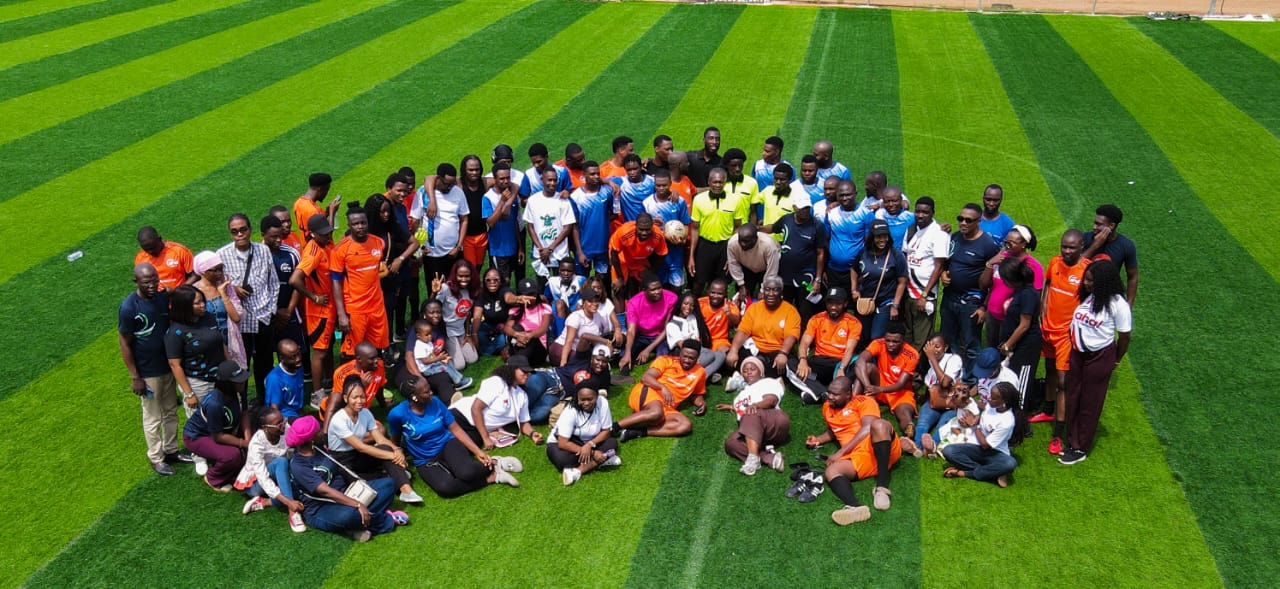
A team can go on a retreat, play games, have dinner and take beautiful pictures. Everyone can have a good time and still return to work with the same problems.
Poor communication, unresolved conflict, lack of trust, unclear responsibilities and weak leadership cannot be permanently fixed by a single outing.
This is the difference between team bonding and team building.
Team bonding creates connection and shared experiences. Team building looks at how people actually work together.
Are responsibilities clear? Can people communicate openly? Do they trust one another? Can they disagree without unnecessary conflict? Are mistakes treated as opportunities to learn rather than reasons to find someone to blame?
Team building is not an event. It is a continuous process. The real work happens when deadlines are tight, opinions differ and difficult decisions have to be made.
Myth 3: The Leader Is Responsible for Building the Team
Reality: Leaders set the tone, but everyone contributes to the culture.
Leaders play an important role in team building. They set expectations, influence communication and determine how conflict is handled and what behaviours are encouraged or tolerated.
But they cannot build the team alone.
Every team member contributes through the small things: offering support, taking responsibility, listening, giving credit, having honest conversations and choosing collaboration over blame.
This is why building a strong team is not only an HR or leadership responsibility. It is shared.
Culture is not what HR says. Culture is what people experience repeatedly.
If an organisation says it values collaboration but rewards competition, employees will notice. If leaders ask for honest feedback but become defensive when challenged, employees will notice.
Over time, these experiences become the culture.
Myth 4: High Performance Automatically Means a Strong Team
Reality: A team can deliver results and still be unhealthy.
Performance matters, but results alone do not tell us whether a team is strong.
Are people exhausted? Are some voices ignored? Are individuals carrying the workload of others? Are mistakes hidden because people are afraid to speak?
A team can hit its targets while quietly becoming unhealthy.
Sustainable performance requires trust, psychological safety, accountability and clarity.
A strong team is not simply one that gets the job done. It is one that can get the job done without breaking the people doing it.
Myth 5: Psychological Safety Means Lowering Standards
Reality: Psychological safety and accountability should exist together.
Psychological safety does not mean lowering standards or making sure everyone is comfortable all the time.
It means people can speak up, ask questions, admit mistakes, raise concerns and offer different perspectives without fear of humiliation or retaliation.
Imagine someone notices a problem but is afraid to say anything. The problem remains hidden.
Now imagine they feel safe enough to say:
"I don't think this is working. Can we look at it again?"
That conversation could prevent a much bigger problem.
Psychological safety allows people to identify problems early and take responsibility when things go wrong.
The goal is not comfort. It is creating an environment where people feel safe enough to contribute, challenge and take responsibility.
Myth 6: Teamwork Means Everyone Does Everything Together
Reality: Effective teamwork requires clarity of roles, not duplication of effort.
Collaboration does not mean everyone has to do the same thing.
Each person brings different strengths, experiences and expertise. The goal is to understand how those differences can work together.
The question is:
"How can our different strengths come together to achieve something none of us could achieve alone?"
Clear responsibilities make collaboration easier. Without them, work gets duplicated, tasks fall through the cracks and people start asking, "Who was supposed to do this?"
A Team Is Built in the Small Things
A team is built when:
A colleague offers help without being asked.
A manager listens before judging.
Someone feels safe enough to say, "I don't understand."
A team member takes responsibility for a mistake.
A colleague receives credit for their contribution.
A leader admits, "I got that wrong."
People challenge ideas without attacking the person behind them.
A team chooses to solve a problem instead of looking for someone to blame.
These may seem like small behaviours, but repeated consistently, they build trust.
And trust is one of the foundations of effective team building.
From Team Bonding to Team Building
Perhaps we need to rethink what we mean by team building.
Team bonding asks:
"How can we have a good time together?"
Team building asks:
"How can we become better at working together?"
There is nothing wrong with games, celebrations or retreats. People need opportunities to connect and relax. But these activities should support team building, not define it.
True team building creates teams that trust, communicate openly, respect differences, challenge ideas, take ownership and remain accountable.
Team bonding may bring people closer. Team building helps them work better together.
The HR Perspective
For HR and People & Culture professionals, team building should not be an activity that appears on the calendar once or twice a year.
It should be reflected throughout the employee experience, from recruitment and onboarding to performance, leadership, recognition, communication and culture.
How people are hired affects team dynamics. How performance is managed affects accountability. How leaders communicate affects trust. How conflict is handled tells people what is truly acceptable.
The role of HR is therefore broader than organizing retreats. It is about creating the conditions in which people can work well together.
Culture is not built through policies alone. It is built through the behaviour we reward, tolerate, model and repeat.
The Real Challenge
The goal is not simply to get people to work together. It is to create an environment where people want to work together, know how to work together and hold one another accountable.
That requires intentional leadership, trust, clarity and sometimes difficult conversations.
Building a strong team is not always comfortable. Sometimes it means addressing behaviour that affects others, listening to an uncomfortable perspective or changing the way things have always been done.
That is the part of team building that does not always make it into the pictures from the retreat. But it is often where the real work happens.
A great team is not one without conflict or differences. It is one that knows how to navigate them, learn from mistakes and grow stronger together.
A team is built every day: one conversation, one decision, one act of trust and one shared achievement at a time.
So the question is not simply: "How do we build a team?"
It is: "What kind of team are we intentionally creating, and what will it take to make that team thrive?"